
How Much Does It Cost To Replace Roof Shingle in Singapore ?
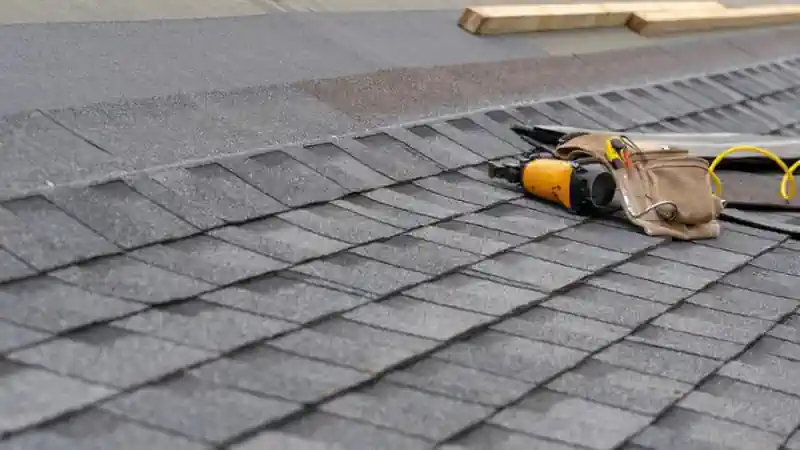
Roof Shingle Replacement Singapore – Structural Overhaul Guide 2026
When structural moisture barriers fail on landed properties in Singapore, managing the recovery process requires a methodical understanding of material forensics, building insulation mechanics, and roof layout design. Asphalt shingle roofing is widely valued for its high wind resistance and classic architectural design profiles. However, executing a full teardown and replacement is not a simple matter of stripping old tiles and nailing down new ones.
Because our tropical equatorial climate subjects building envelopes to extreme thermal cycling, prolonged UV exposure, and sudden, high-velocity monsoon downpours, a shingle replacement must be treated as a complete structural system overhaul. At High Tech Roofing, our approach to shingle replacement prioritizes non-destructive structural testing, strict alignment with Singapore Building Standards, and specialized multi-layer underlayment designs.
Forensic Anatomy of a Shingle System Failure
To understand why a systemic replacement becomes necessary rather than a localized patch-up repair, one must look at how asphalt composite shingles interact with Singapore’s extreme weather patterns over an extended timeline.
Volatile Organic Component Outgassing and Embrittlement
Asphalt shingles are composed of a tough fiberglass reinforcement mat saturated with asphalt and coated with mineral granules. Solar radiation bombards the roof daily with high-intensity ultraviolet rays. This radiation accelerates the outgassing of volatile organic compounds within the bitumen matrix. As these essential chemical plasticizers evaporate, the shingle loses its structural flexibility, becoming highly brittle and prone to micro-cracking during wind storms.
Granule Stripping and Delamination
The surface minerals or granules embedded in the shingle serve a critical engineering purpose: they protect the underlying bituminous layer from direct UV degradation and assist in shedding heavy rain impact. Over years of intense monsoonal rainfall, these granules loosen and wash down into the gutter systems. Once a shingle exhibits widespread granule loss, the raw asphalt core is left completely exposed to the sun, leading to accelerated melting, curling, and total structural failure of the shingle flap.
Interlocking Seal Failure and Wind Uplift
Each shingle layer is equipped with a heat-activated sealant strip that bonds it to the layer below it during initial installation. In highly humid environments, combined with high-velocity wind gusts during our monsoon seasons, micro-movements can snap these brittle thermal bonds. Once the perimeter seal lines are compromised, wind can easily get underneath the shingle flaps, causing them to lift, tear off, and expose the underlying timber roof structure directly to driving rain.
Structural Inspection Protocols and Diagnostics
A professional shingle replacement project should never begin based on visual guesswork or surface assumptions. Our technicians execute a comprehensive pre-construction engineering diagnostic checklist to isolate structural anomalies before installation begins:
Non-Destructive Thermal Moisture Imaging
Using high-resolution infrared thermography cameras, we scan the roof plane after sunset. Because trapped structural water has a higher thermal mass than dry timber or plywood, it holds onto daytime heat longer. The infrared scan clearly highlights these hidden moisture pockets beneath the shingle surface, indicating where the structural roof deck may be rotting.
Substrate Deflection Testing
Technicians manually map the roof from inside the attic cavity and along the exterior surface to evaluate the deflection of the underlying timber roof battens and plywood sheathing. Any soft spots or physical dipping require immediate structural extraction to prevent structural cave-ins.
Flashing and Core Intersection Assessment
We meticulously inspect all chimney penetrations, roof-to-wall junctions, valley lines, and plumbing vents. These metal flashing details are responsible for managing the highest volumes of water flow on the entire roof and are typically the first areas to suffer from seal degradation.
The Multi-Layer System Engineering Methodology
Replacing a shingle roof requires an engineered approach to layering. A shingle roof is only as good as the waterproofing system beneath it.
Step 1: Safe Extraction and Mechanical Stripping
The old shingle system, along with all aged, brittle underlayments and rusty fasteners, must be completely stripped down to the raw timber deck. Our crews work in highly controlled, weather-shielded segments to ensure the home interior is never left vulnerable to sudden rainstorms during this phase.
Step 2: Timber Substrate Remediation
The exposed plywood or timber paneling is thoroughly inspected. Any rotted panels are cut away and replaced with brand new marine-grade plywood or specialized oriented strand board panels that align strictly with local building code load capacities. The deck is then mechanically sanded to eliminate any protruding nail shafts or splinters that could puncture the new membranes.
Step 3: Installation of High-Performance Barriers
Instead of old-fashioned, brittle organic felt paper, we deploy modern multi-layered synthetic barriers:
- Self-Adhering Bituminous Membranes: Applied directly to high-risk zones like valleys, eave lines, and flashing perimeters. This forms a complete, self-sealing waterproof gasket around every single fastener driven into the roof.
- Breathable Synthetic Underlayment: Applied across the remaining open expanses of the roof. This advanced woven polymer prevents liquid water from entering from the outside while allowing trapped interior humidity to evaporate out, preventing rot from forming inside the attic space.
Step 4: Component Fastening and Layout Geometry
New architectural or fiberglass shingles are installed using specific mechanical patterns. We utilize heavy-duty corrosion-resistant hot-dipped galvanized or stainless-steel roofing nails. Each shingle receives a specific number of fasteners depending on the slope of the roof, with nails positioned exactly below the sealant line to maximize resistance to high-velocity wind lift.
Material Breakdown: Architectural vs. Three-Tab Shingles
When designing your replacement system, the physical configuration of the shingle plays a primary role in structural longevity:
Traditional Three-Tab Shingles
These consist of a single flat layer with cutouts that create the illusion of three separate pieces. While lightweight, they have a lower wind resistance rating and a shorter lifecycle in tropical regions because their thin profile makes them highly susceptible to curling from intense heat.
Laminated Architectural Shingles
These feature multiple layers of fiberglass mats fused together with premium architectural asphalt, creating a thick, dimensional profile. This dual-layer construction provides superior resistance to impact and tearing, resists wind uplift during severe downpours, and offers a significantly longer operational lifespan, eliminating the need for frequent maintenance.
Maintenance Strategies: Protecting the Asset Post-Replacement
A newly installed shingle system requires proactive property management to maintain its validation metrics and ensure structural performance across its extended lifecycle.
Managing Organic Debris and Gutters
Leaves from nearby overhanging trees must never be allowed to accumulate in valleys or gutters. Trapped organic debris holds moisture directly against the shingle edges, creating localized wet spots that accelerate granule separation and lead to localized leaks.
Algae Control and Mitigation
High humidity fuels the growth of cyanobacteria, which creates black streaks across the roof. Modern architectural shingles feature embedded copper or zinc granules that slowly leach protective ions when wet, naturally suppressing algae growth.
Low-Pressure Biocide Washing
If cleaning becomes necessary after a few years, high-pressure jetting must be strictly avoided. High-velocity water will instantly strip the specialized mineral granules away. Instead, a low-pressure chemical application should be utilized to safely sanitize the surface without damaging the delicate asphalt bonds.
The Economics of Quality Structural Replacement
Choosing a comprehensive replacement over a continuous cycle of temporary patches yields quantifiable long-term property benefits:
- Elimination of Secondary Structural Losses: By securing a reliable moisture envelope, you prevent expensive damage to upper-floor plaster ceilings, internal insulation layers, electrical wiring channels, and structural wall foundations.
- Optimization of Building Value: A fully certified shingle replacement executed by a specialized, professional roofing contractor increases overall real estate asset value and provides complete buyer confidence during future property appraisals.
For more deep-dive technical insights into structural water management across alternative roofing structures, you can review our detailed analysis of how to identify and stop a roof leak to understand initial diagnostic indicators.