
Parapet Wall Glass Tiles Repair and Replacement in Singapore
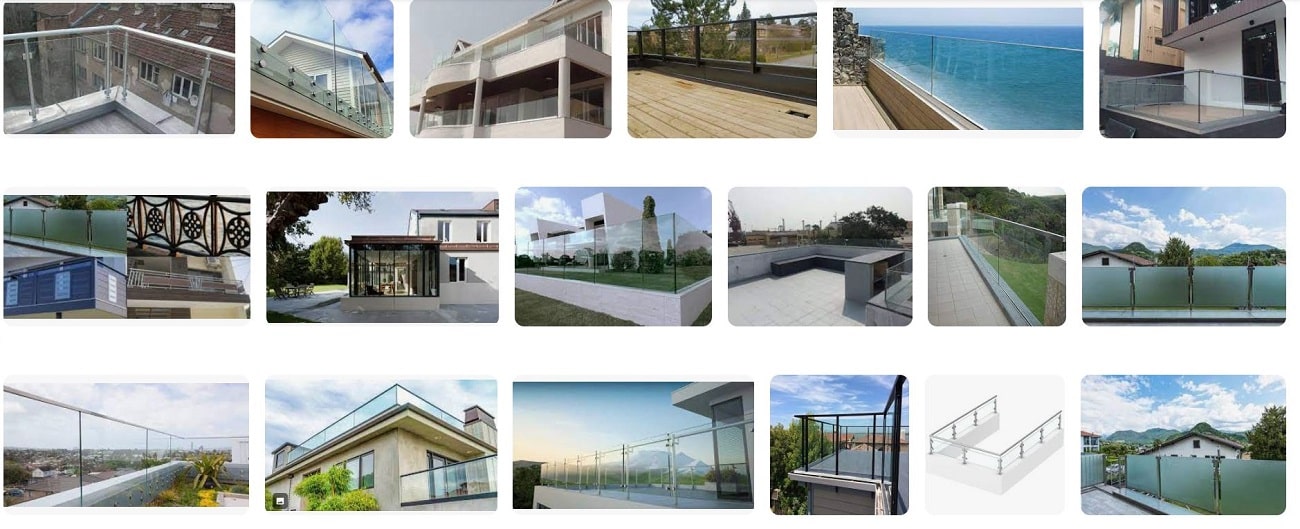
Expert Guide to Parapet Wall Glass Tile Repairs for Singapore Properties
In the dense, urban landscape of Singapore, parapet walls are ubiquitous. Whether you are looking at a sleek modern condominium, a sprawling landed property, or a commercial office building, these "low walls" or "dwarf walls" serve as vital protective barriers. They define our balconies, rooftop terraces, and walkways. When finished with glass tiles, they provide a clean, architectural aesthetic that reflects Singapore's modern design philosophy.
However, the beauty of a glass-tiled parapet wall often masks the intense environmental stress it faces. Tropical climate factors—namely the intense UV radiation, extreme temperature fluctuations, and high-intensity rainfall—can wreak havoc on these surfaces over time. When tiles crack, delaminate, or begin to fall, it is not just an aesthetic blight; it is a signal of potential structural water ingress.
At High Tech Roofing & Waterproofing, we have seen firsthand the consequences of ignoring minor tile defects. This comprehensive guide serves as your professional resource for understanding, maintaining, and repairing parapet wall glass tiles in Singapore.
Understanding the Role of Parapet Walls in Singapore
A parapet wall is defined as an extension of the wall at the edge of a roof, terrace, or balcony. While their primary function is to provide a safety guard for people, they are also critical for water management and building protection.
In Singapore’s context, we see several types of parapet walls:
- Plain Parapet Walls: Frequently found in older HDB estates and simple residential designs, these are straightforward, solid constructions.
- Paneled Parapet Walls: Often used in modern architecture to add depth and shadow lines.
- Embattled Parapet Walls: While rooted in historical defensive design, modern variations are used for specific design statements in heritage or luxury residential projects.
- Perforated Parapet Walls: These allow for air circulation and light while providing a barrier.
The use of glass tiles (often mosaic or larger format glass veneers) on these walls creates a smooth, water-resistant, and visually appealing surface. However, if the substrate behind these tiles fails, the entire system is compromised.
The Dangers of Neglect: Why Repairs Cannot Wait
In our tropical climate, the process of decay is accelerated. If you notice a single loose tile, it is rarely an isolated incident. Instead, it is often indicative of underlying issues that require professional intervention.
1. Water Ingress and Seepage
The most immediate risk is water ingress. Once a glass tile cracks or the grout between tiles disintegrates, moisture from our frequent downpours finds a pathway to the substrate (usually reinforced concrete). Once water is inside, it begins to trap moisture against the steel rebar.
2. Structural Corrosion
This is the hidden danger. As moisture reaches the internal reinforcement bars (rebar) within the concrete wall, the metal begins to oxidize or "rust." Because rust occupies a larger volume than the original steel, it creates internal pressure—a phenomenon known as "concrete spalling." This can cause the concrete to crack and explode outwards, worsening the tile detachment and potentially creating a safety hazard.
3. Falling Hazards (Safety Concerns)
Falling objects from high-rise buildings are taken very seriously by the Building and Construction Authority (BCA) in Singapore. A heavy glass tile detaching from a parapet wall on a 10th-floor balcony can cause catastrophic damage or injury to pedestrians below. Owners have a legal and ethical duty to ensure their facade elements are secure.
The Professional Repair Process: A Systematic Approach
For property owners or building managers in Singapore, effective maintenance is a multi-step process. Here is how professional contractors approach the repair of glass-tiled parapet walls to ensure long-term stability.
Step 1: Systematic Inspection and Assessment
We do not just look at the damaged area. A thorough inspection involves:
- Tapping tests: Using specialized tools to identify hollow-sounding tiles that have lost adhesion.
- Moisture mapping: Checking for signs of seepage or trapped moisture within the wall.
- Substrate analysis: Checking for cracks in the concrete render that might be causing the tile failure.
Step 2: Surface Preparation
Attempting to glue a new tile onto a dirty or degraded surface is a recipe for failure. We ensure the area is cleaned of old adhesive, debris, and efflorescence. If the concrete is spalling, the rust must be treated and the concrete patch repaired with high-strength mortar before any tiling begins.
Step 3: Waterproofing Membrane Application
One of the most important aspects often missed by general handymen is the application of a liquid-applied or cementitious waterproofing layer behind the tiles. This acts as a final barrier to ensure that even if a tile fails in the future, water will not penetrate the structural concrete.
Step 4: Quality Installation
Using industry-grade, polymer-modified adhesives, we ensure that every tile is back-buttered to guarantee 100% coverage. In Singapore's hot climate, it is vital that the correct adhesive is used—one that can withstand thermal expansion and contraction without snapping the bond.
Step 5: Grouting and Finishing
We use high-performance, water-repellent grouts. If the grout fails, water enters the wall. Using epoxy-based grouts in critical areas can significantly increase the longevity of the repair compared to standard cement-based grouts.
Tips for Building Managers and Homeowners
- Periodic Checkups: Walk your perimeter annually. Look for "hairline cracks" or signs of white salt deposits (efflorescence).
- Keep Spare Tiles: If possible, store a box of original tiles from the build. Finding an exact match for glass tiles after five or ten years can be nearly impossible due to production batch variations.
- Hire Registered Specialists: Ensure your contractor has experience with facade repairs and is familiar with Singapore's safety regulations regarding working at heights.
Choosing the Right Contractor in Singapore
When your building requires parapet wall repairs, avoid "quick fix" solutions that simply glue the tiles back on. You need a contractor who understands structural integrity, waterproofing science, and aesthetic matching.
At High Tech Roofing & Waterproofing, we have dedicated years to protecting Singapore's buildings from water damage. Our team is equipped with the knowledge of local materials and the challenges posed by our specific weather patterns. We do not just fix the tile; we restore the integrity of the wall.
Frequently Asked Questions (FAQ)
Q: Can I just glue the fallen glass tile back on?
A: No. If a tile has fallen, the underlying adhesive has likely failed due to age, moisture, or thermal movement. Simply re-gluing it will likely lead to it falling again, potentially causing injury. The area needs professional assessment.
Q: How do you match the glass tiles if the wall is old?
A: We search for the best aesthetic match. While exact batch matching may be difficult, professional contractors maintain relationships with suppliers to find the closest possible color and texture matches.
Q: Is waterproofing really necessary for a wall?
A: Absolutely. Parapet walls are exposed to rain on both sides and the top. Without a continuous waterproofing layer, the concrete inside will eventually absorb water, leading to costly structural repairs.
Q: How long do these repairs last?
A: When performed using professional waterproofing and high-performance adhesives, repairs can last for many years. Regular inspections are key to extending this lifespan.
Professional Solutions for Singapore's Infrastructure
Maintaining the exterior of your property is not just about curb appeal; it is about preserving the asset and ensuring the safety of occupants. As a leading Singapore roofing contractor, we understand the specific needs of commercial and residential buildings in our climate. Whether you need roof waterproofing, leak repair services, or complex facade repairs, our team is ready to assist.
Don't wait until a small issue becomes a massive repair project. Contact the professionals at High Tech Roofing & Waterproofing today to schedule an inspection. Our commitment is to quality, reliability, and long-term protection for your property.