
Metal Roofing - Sheet Metal works contractors in Singapore
Roofing Sheet Metal Works Guide: Technical Fabrication and Structural Engineering Standards
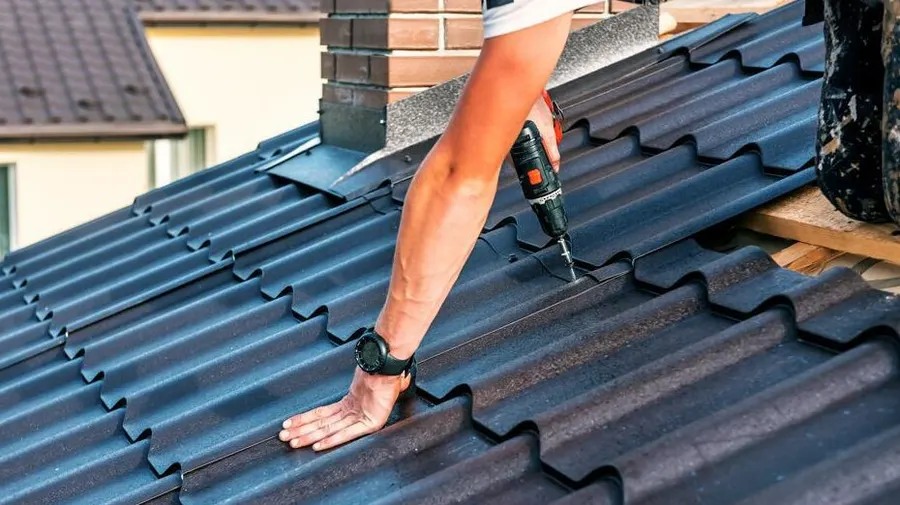 In commercial, industrial, and landed residential architecture across Singapore, roofing sheet metal works serve as the critical mechanical shield for the building envelope. Far from being simple aesthetic flashings or standard metal covers, custom sheet metal fabrication is a highly specialized discipline requiring precise geometric engineering, metallurgic calculations, and strict alignment with local structural standards.
With intense equatorial solar radiation combined with sudden, high-velocity monsoonal downpours, a building's peripheral metal works must be engineered to handle severe hydraulic loads and extreme thermal stress. Executing these installations correctly requires looking past superficial sealant-reliant joints to focus on advanced mechanical joining, proper material pairings, and compliance with standards such as CP 89 (Code of Practice for Installation of Metal Roofing). At High Tech Roofing, our sheet metal works framework focuses on permanent structural weatherproofing, advanced material engineering, and robust wind-uplift mitigation.
1. The Physics of Sheet Metal Performance and Stress Factors
To understand why custom sheet metal installations fail or require system-wide replacement, one must analyze the complex environmental and chemical forces that constantly act upon exposed metal perimeter components.
[Equatorial Solar Exposure] -> [Thermal Expansion & Linear Movement] -> [Mechanical Fastener Stress] -> [Joint Separation]
Thermal Expansion and Linear Movement Stress
Sheet metal components, especially long runs of coping, valley flashings, and fascia capping, experience massive surface temperature shifts. In Singapore, external metal surfaces frequently heat up to over 55°C under direct midday sun, then rapidly drop in temperature during a sudden cloudburst. This thermal cycling triggers constant, predictable linear expansion and contraction. If the metal pieces are fixed rigidly without custom slip joints or slotted fastener holes, this immense physical force buckles the metal panels, shears mechanical fasteners, and tears apart elastomeric sealant joints, leading to immediate water entry points.
Galvanic Corrosion and Electrolytic Failures
A frequent failure mechanism occurs when different metals are mixed together in the presence of moisture. When aluminum-zinc coated steel panels come into direct mechanical contact with stainless steel fasteners, copper piping, or raw steel brackets without a non-conductive isolation barrier, a galvanic cell is created. The less noble metal quickly becomes a sacrificial anode, corroding rapidly and causing hidden pinhole leaks and structural failure around critical support attachments.
Capillary Water Action and Siphonage
Water possesses natural cohesive and adhesive properties that allow it to travel upward through tightly confined gaps against the force of gravity. In flat transitions, lap joints, and flashing overrides where two sheets of metal sit tightly together, rainwater can be siphoned directly into the interior building envelope. To defeat this natural capillary action, custom architectural sheet metal profiles must be fabricated with intentional anti-capillary breaks, step-downs, and mechanical safety returns.
2. Advanced Pre-Fabrication Diagnostics and Architectural Mapping
High-performance sheet metal design cannot rely on basic site estimates or hand drawings. Technicians execute a detailed diagnostic and mapping sequence before starting any bending or cutting work:
Precision Laser Scan and Geometric Mapping
Using precision digital laser measures and optical alignment tools, technicians map out the exact straightness, angular deviations, and leveling profiles of the masonry parapet walls, structural steel beams, or roof eaves. This ensures that custom-fabricated metal copings and flashings maintain a uniform fit, preventing uneven stress points when clamped into place.
Wind-Uplift and Kinetic Force Calculations
The perimeter zones and corners of a roof experience the highest concentrated wind-uplift forces during monsoonal windstorms. Technicians calculate the exact thickness requirements (gauge) and bracket spacing frequencies based on the height and exposure profile of the building, ensuring the sheet metal works remain mechanically anchored during severe atmospheric events.
Substrate Moisture Soundness Testing
Before encapsulating any masonry edge or timber fascia board with a new sheet metal profile, the underlying substrate is tested for trapped moisture. Encapsulating damp wood or concrete traps moisture, accelerating hidden rot and structural decay out of sight.
3. High-Performance Material Selection and Metallurgic Dynamics
Choosing the right metal alloy and surface coating system dictates the overall durability and future maintenance cycles of your peripheral roof assets.
Pre-Painted Aluminum-Zinc Alloy Coated Steel (Clean Colorbond)
- Engineering Profile: A high-tensile structural steel base coated with an alloy of 55% aluminum, 43.4% zinc, and 1.6% silicon, topped with high-durability baked-on fluoropolymer paint systems.
- Performance Dynamics: The zinc component provides excellent sacrificial protection for exposed cut edges, while the aluminum matrix forms a long-lasting barrier against structural corrosion. This material offers exceptional resistance to atmospheric pollutant etching and chalking under intense tropical sun.
Architectural Aluminum Alloys
- Engineering Profile: Marine-grade solid aluminum sheets (such as the 5000 or 6000 series) finished with PVDF (Polyvinylidene Fluoride) coatings.
- Performance Dynamics: Aluminum is naturally lightweight, incredibly easy to shape on-site, and completely immune to red rust failures. It is highly recommended for coastal locations or high-rise roofs exposed to continuous salt-air mist and high humidity.
Architectural Copper and Stainless Steel
- Engineering Profile: High-purity cold-rolled copper sheets or Grade 316 structural stainless steel.
- Performance Dynamics: Used for premium heritage buildings and heavy industrial processing facilities. Copper develops a natural protective patina over decades of environmental exposure, while Grade 316 stainless steel provides unmatched resistance to chemical attack, acid rain, and physical impact.
4. The Fabrication and Installation Methodology
A professional sheet metal installation follows a sequence designed to allow natural material movement while maintaining a permanent, watertight seal.
[Substrate Prep & Waterproofing] -> [Cleat & Bracket Mounting] -> [Mechanical Profile Locking] -> [Thermal Expansion Slip Jointing]
Step 1: Substrate Preparation and Secondary Barrier Laydown
The structural receiving edge (such as a masonry parapet wall or timber fascia line) is cleaned, leveled, and repaired. A high-performance, self-adhering breathable underlayment is applied directly over the substrate. This layer serves as a secondary waterproof barrier while preventing any condensed underside moisture from corroding the back of the sheet metal panels.
Step 2: Mechanical Anchor Installation (Continuous Cleats)
To avoid piercing the exposed face of the metal panel with screws, continuous concealed cleats or heavy-duty holding clips are installed along the outer edge of the structure. These clips are securely anchored into the masonry or steel frame using corrosion-resistant fasteners.
Step 3: Mechanical Profile Bending and Hooking
Custom metal profiles, fabricated on precision hydraulic folding brakes, are brought to the site. The outer hem of the flashing or coping panel hooks securely onto the pre-installed continuous cleat. This design approach completely eliminates exposed face-fasteners, protecting the exterior from water entry points while giving the system a clean, seamless finish.
Step 4: Integration of Thermal Expansion Sliders
Individual metal sheets are joined using custom-engineered internal splice plates, standing seams, or expansion slide joints. A deliberate gap is left between the sheet ends within the joint to allow the metal to expand and contract freely as temperatures change throughout the day, while an internal drainage tray safely catches and channels away any water that finds its way past the primary seam line.
5. Maintenance Strategies: Protecting Peripheral Sheet Metal Assets
To maximize the functional lifespan of customized metal assets, facility managers and property owners should carry out a clear preventive maintenance schedule:
- Clearing Downpipe and Drainage Connections: Valley flashings and box gutters must be kept free of leaves, silt, and organic debris. Accumulated debris traps moisture against the metal surfaces for long periods, leading to accelerated chemical breakdown of the protective coatings.
- Fastener and Clip Integrity Verification: While face fasteners are avoided in premium custom designs, attachment screws along back walls and internal supports must be inspected annually to ensure wind vibrations haven't loosened them.
- Checking Isolation Barrier Integrity: Technicians check the condition of non-conductive rubber washers, neoprene spacers, and isolating gaskets to ensure that no structural shifting has brought different metals into contact, preventing galvanic corrosion.
6. Strategic Advantages of Engineered Sheet Metal Works
Investing in precision-engineered sheet metal works rather than basic generic flashings provides clear structural and commercial protection for properties:
- Absolute Protection of Lower Concrete Structures: Properly configured metal copings and edge flashings shield exposed masonry edges from water absorption, stopping the internal concrete carbonation and rebar rust that cause spalling.
- Permanent Waterproof Integrity at Intersections: Custom-fabricated transitions seal tricky roof junctions, valleys, and walls far more reliably than temporary liquid sealants or basic bitumen stick-on patches.
- Enhanced Wind-Uplift Protection: Securely interlocking edge details lock down the perimeters of the roof system, preventing high-velocity monsoonal winds from getting underneath and lifting the main roofing sheets or tiles.
For more technical insights into building envelope water management, read our comprehensive guide on professional roof replacement in Singapore to learn about complete multi-layer system installations.